
It doesn’t make sense on paper. The police report says the other driver ran the red light. Your insurance company has already confirmed you’re not at fault. And yet you keep replaying the moment before impact, wondering if you could have braked sooner, swerved differently, left five minutes earlier, and avoided the intersection entirely. If you’re carrying guilt over an accident that genuinely wasn’t your fault, you’re dealing with something far more common than most people realize and far more understandable than it might feel from the inside.
You’re not imagining this; it’s a well-documented reaction
Guilt after a car accident isn’t limited to the driver who caused it. Research on crash survivors has found that not being at fault is actually associated with a higher likelihood of lingering psychological symptoms, not a lower one, a pattern researchers attribute partly to the sense of helplessness that comes with having no control over what happened to you. Studies also show that roughly a third of crash survivors experience notable post-traumatic stress symptoms, and close to one in five experience symptoms of depression in the aftermath. Guilt, replaying the moment, and a sense of “it should have been different” are frequently reported alongside these reactions, even among people who did everything right.
None of this means something is wrong with you. It means your mind is trying to make sense of something sudden and out of your control, and guilt is often how that processing shows up — even when logic and fault have nothing to do with it.
For a free legal consultation, call 513-894-3333
Why guilt shows up even when you weren’t responsible
A few patterns come up again and again in people who feel this way after a crash that wasn’t their fault:
Hindsight bias. After the fact, it’s easy to construct a version of events where a different choice — a different route, a different lane, leaving the house two minutes later — would have prevented everything. This kind of thinking feels logical in the moment, but it relies on information you couldn’t have had before the crash happened.
Guilt about the other people involved. If anyone else was hurt, including the driver who caused the crash, it’s common to feel a strange responsibility for their outcome, even though you didn’t create the situation they’re now dealing with.
Guilt about the disruption to people around you. Missed work, canceled plans, a family member driving you to appointments, a spouse picking up extra responsibilities at home — feeling guilty for the ripple effects on the people who care about you is common, even though none of it is something you chose or caused.
Guilt about pursuing a claim. This one is specific to people dealing with the practical aftermath of a crash. Some people feel uneasy about filing a claim or accepting compensation, as though doing so is somehow taking advantage of the situation, even when the claim is simply recovering costs that were directly caused by someone else’s actions.
Why filing a claim isn’t something to feel guilty about
If any part of your guilt is tied to seeking compensation, it’s worth separating that feeling from the facts. When another driver causes a crash, Ohio law holds them financially responsible for the damages: medical bills, lost income, vehicle repairs, and the broader impact on your life. That’s not a favor being extended to you; it’s how the law is designed to work when one driver’s actions harm another. Pursuing what you’re owed doesn’t make the other driver’s situation worse than their own actions already did, and it doesn’t make you opportunistic for expecting to be made whole.
If this feeling is holding you back from starting a claim, talking it through with someone at Kruger & Hodges Hometown Injury Lawyers can help put it in perspective — we handle these conversations regularly, and we can walk you through exactly what you’re entitled to and why pursuing it is reasonable, not something to feel apologetic about.
Click to contact our lawyers today
What can help while you’re working through it?
There’s no fixed timeline for guilt like this to fade, and for many people it eases gradually as the shock of the crash settles and daily life returns to something more normal. A few things tend to help along the way:
- Talking about it, rather than sitting with it alone. Guilt tends to lose some of its grip when it’s said out loud to someone who can offer perspective, whether that’s a friend, family member, or a counselor.
- Separating feelings from facts. It can help to write down what you know actually happened, based on the police report and evidence, next to the “what if” thoughts running through your head; seeing them side by side often makes the gap between the two clearer.
- Give yourself the same patience you’d give someone else. If a friend told you they felt guilty after being hit by a driver who ran a red light, you’d likely tell them none of it was their fault. It’s worth extending yourself that same grace.
Complete a Free Case Evaluation form now
When it’s worth talking to a professional
For most people, these feelings soften with time. But if guilt is persistent, interfering with sleep, work, or relationships, or accompanied by ongoing anxiety, low mood, or a general sense of dread, it’s worth reaching out to a doctor or licensed mental health professional. These reactions are treatable, and getting support early tends to help more than waiting to see if things improve on their own. This isn’t a sign of weakness; it’s simply appropriate care for something a sudden, traumatic event can genuinely cause.
You don’t have to carry the practical side of this alone
While you’re working through the emotional aftermath of a crash, the last thing you need is to also manage insurance calls, medical paperwork, and negotiations with an adjuster who may be looking for any reason to minimize your claim. That’s exactly the kind of load Kruger & Hodges Hometown Injury Lawyers exists to take off your plate. Handling the practical and financial side of your case while you focus on healing — physically and emotionally — is precisely what we’re here for.
Guilt after an accident that wasn’t your fault is a real and common reaction, not a reflection of anything you actually did wrong. Be patient with yourself, lean on people around you, and know that support is available for both the emotional weight of what happened and the practical steps of recovering what you’re owed. If you’re ready to talk through the legal side of your case, Kruger & Hodges Hometown Injury Lawyers offers free consultations across Hamilton, Middletown, Eaton, Wilmington, Washington Court House, Circleville, Urbana, Xenia, and Bellefontaine.
Call or text 513-894-3333 or complete a Free Case Evaluation form
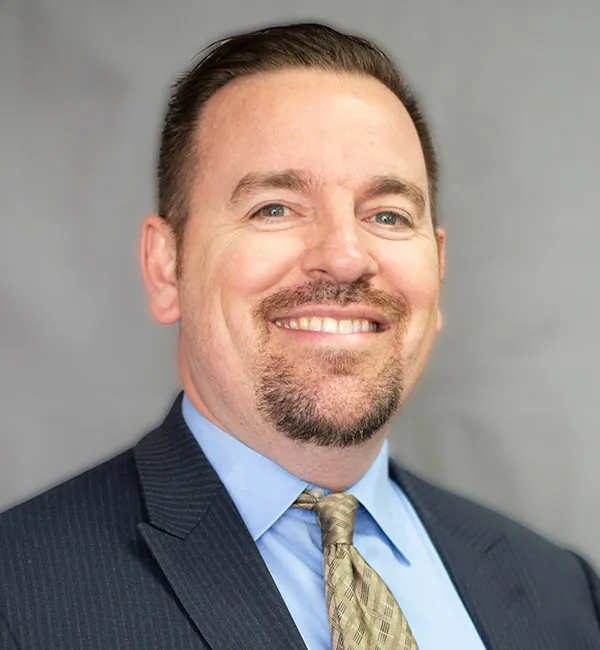
Josh Hodges is a personal injury lawyer and co-founder of Kruger & Hodges. A working-class kid who became an attorney, Josh built his law firm to serve everyday people across every town in Ohio. He has personally handled or directly supervised the successful completion of over 1,000 personal injury cases, from car wrecks and dog bites to wrongful death claims.
He is a sought-after speaker in the legal community, often appearing on podcasts and at conferences where he helps other lawyers run better law firms that make a real impact in their local communities. Josh loves mentoring young lawyers and is known as a creative thinker both in and out of the courtroom. When he’s not fighting insurance companies, you’ll find him with his wife and kids, filming local business spotlights, or walking the neighborhoods where his clients live.
Josh’s early legal career included working for one of the largest law firms in the Midwest, where he gained extensive experience in defending personal injury claims and representing major corporations and government entities—experience rare among local attorneys.
Eventually, Josh returned to his hometown of Hamilton, Ohio, to serve the community he loves. He now practices personal injury law across Southwest Ohio and lives in one of Hamilton’s historic neighborhoods with his wife and children. Known as “The Hometown Lawyer,” Josh not only advocates for his clients but also actively supports and highlights local businesses and leaders through his social media platforms.