



A car accident doesn’t end when the wreckage is cleared or the hospital discharge papers are signed. For many survivors, the emotional and psychological impact lingers long after the physical injuries begin to heal. One of the most common—yet least talked about—consequences of a serious collision is post-accident anxiety. Whether you’re having trouble getting behind the wheel again, experiencing panic...
This highway, which opened as a dirt road in 1912, basically runs parallel to the Indiana-Ohio border in the extreme western part of the Buckeye State. State Route 127, like many other old highways, has not kept pace with automotive innovations. As a result, parts of State Route 127 are extremely hazardous. In fact, at just one intersection, three people...
This highway, parts of which date back to the horse-and-buggy days of 1912, was designed to be Ohio’s back road. For many decades, that was the case. State Route 4 runs from Sandusky to Cincinnati. Between the two, it passes through mostly small towns. Today, the traffic on State Route 4, both in terms of volume and speed, far exceeds...
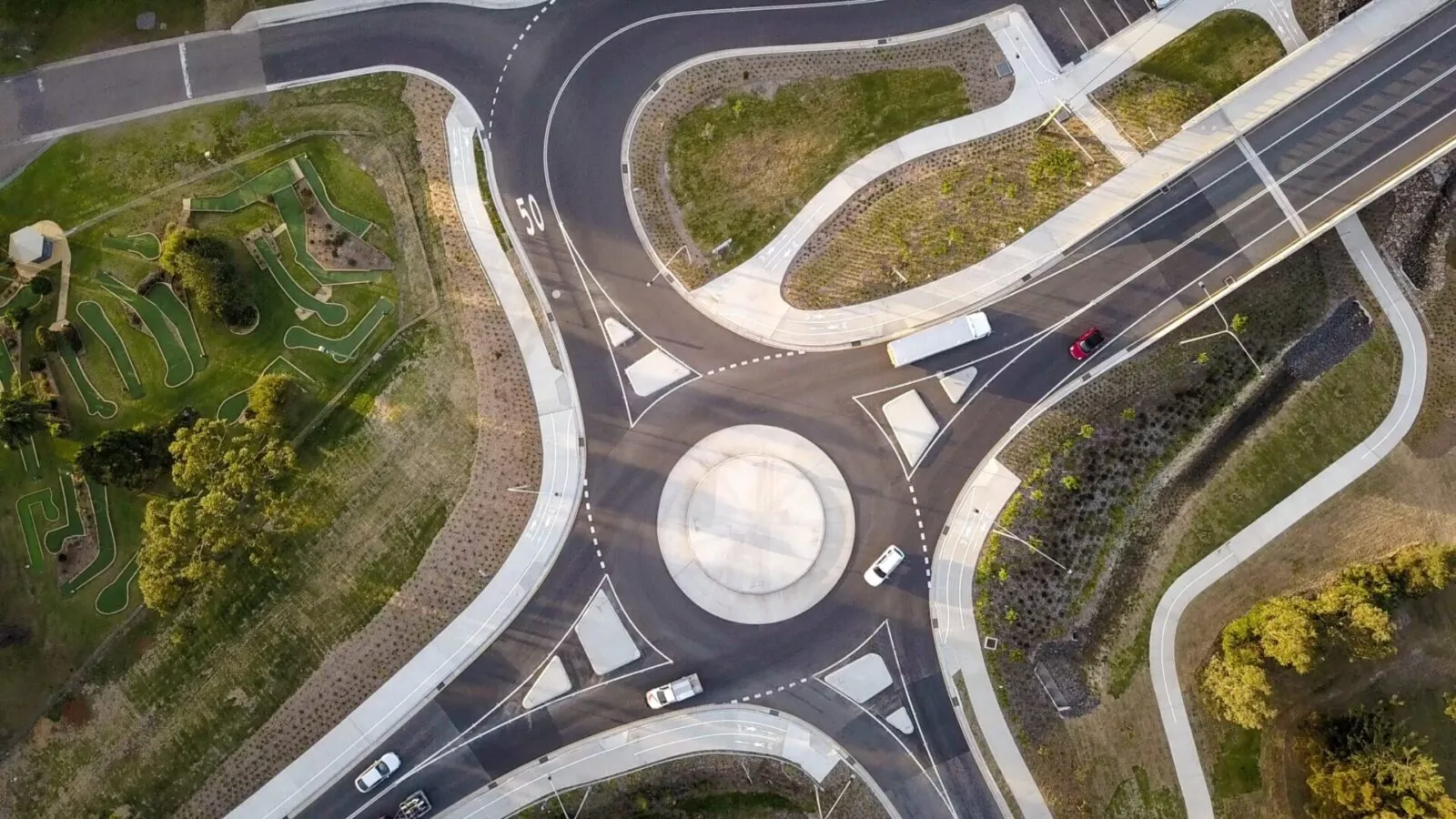
When you think of small-town traffic, you most likely think of sleepy little towns with the usual cast of school buses, farm machinery, and friendly waves; you certainly don’t think about the roundabouts you see in larger cities. However, after a sudden increase in serious traffic accidents at the intersection of US 22 and Jamison Road, citizens of Washington Court...
On the map, an almost perfectly straight line connects Cincinnati and Waldron, Michigan, which is just across the Ohio state line. Likewise, State Highway 127 is an almost perfectly straight line. This design efficiently moves traffic from Point A to Point B. But it also contributes to fatigued driving, which is a serious problem in Ohio. A dark sky, a...
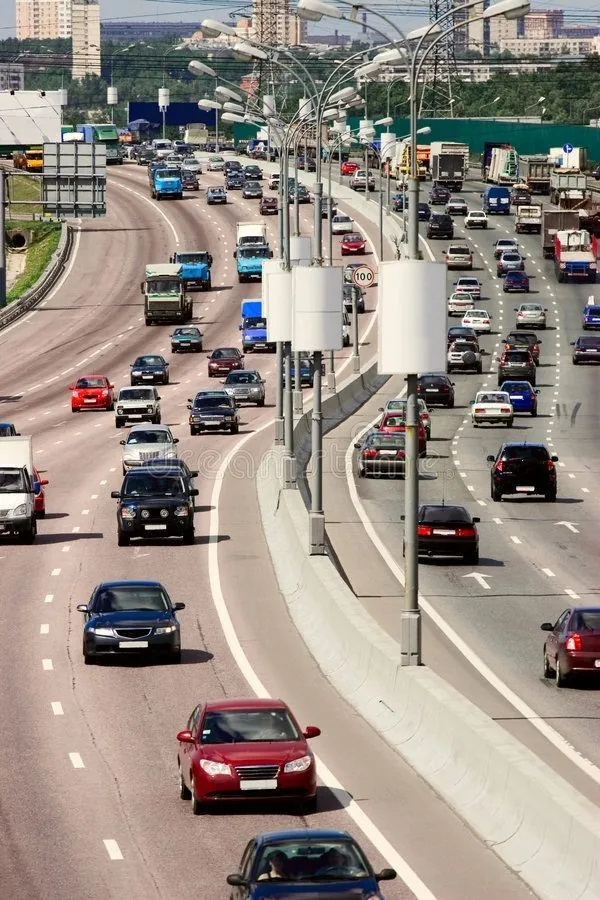
The intersection of New Carlisle Pike (Lower Valley Pike) and State Route 4 has long been considered a high-risk location due to its expressway-style design, high traffic speeds, and challenges for larger vehicles attempting left turns. The narrow median and heavy truck traffic have historically contributed to serious collisions. Recent Ohio crash data through 2024 continues to show that high-speed,...

Highway 275, the third-largest urban loop in the nation, which encircles Cincinnati and goes through three states, is known for its numerous sharp curves. Near Harrison, Fort Thomas, and several other spots, these curves are almost 90 degrees. Engineers usually make sharp curves to cut down on fatigued driving wrecks. That is a noble goal. But sharp curves have the...
The freeway that won the coveted Hayes Award for the nation’s best asphalt-paved surface sees more than its share of accidents. Highway 70 replaced the old U.S. Highway 40. The first section opened in 1959; construction was complete by 1968. Today’s cars and trucks are much faster and heavier than they were in the 1960s. Nevertheless, mostly due to funding...
Since its original construction in the 1960s, Interstate 75 has served as one of Ohio’s most heavily traveled corridors, connecting Cincinnati, Dayton, and Toledo. Decades of population growth and commercial traffic have led to persistent congestion. To address these issues, the Ohio Department of Transportation (ODOT) launched major reconstruction and modernization projects beginning in the early 2000s, with multi-phase improvements...

Car accidents happen on country roads in Ohio all the time. More specifically, country roads in Clinton County, Fayette County, and Pickaway County can be extremely dangerous. You might assume that a majority of severe and life-threatening traffic collisions occur on highways at high speeds. Or, you might suspect that most debilitating crashes happen in urban areas with heavy traffic....